Entrepreneurs must consider improving to increase probability of success. The term “entrepreneurial mindset” initially came from behavioural sciences through research within the field of personality, cognitive and social psychology.
2. What is the difference in individual and national level of entrepreneurial mindset?
The difference between this two is individual entrepreneurial mindset An entrepreneurial mindset is an individual’s state of mind. It’s a way of thinking that allows you to conquer obstacles, make decisions, and take ownership of the performance. They are individuals who seize opportunities. And the national level of entrepreneurial mindset a tool to develop entrepreneurial awareness and build upon the entrepreneurial skills and behaviors that instill career readiness.
My key takeaways from this module Entrepreneurial goals and aspirations the most important subjective performance measures include the perceived customer satisfaction and the perceived profitability relative to competitors, while the key objective performance measures are related to firm growth.
Refining your skills and acquiring new ones. …
Self-discovery and developing your potential. …
Improving social skills. …
Improving health and fitness. …
Sharing and caring.
Set up for your goals.
2. What entrepreneur goal/s and aspiration do I have?
When it comes to entrepreneurs my goal is to build a business like a store to have a income someday for my family that is my goal that I want to fulfill and I hope that this goal will going to succeed because I want to help my family.
“The best way to predict the future is to create it.”
Risk plays a big role in the business world, especially for those looking for very profitable business opportunities. Risk attitude is important when you’re doing an business because there’s a consequences when you don’t have one s a consequence, entrepreneurs with low risk attitudes will choose less risky. That’s why it’s important.
RISK ATTITUDE IS A KEY TO SUCCESS 🙌
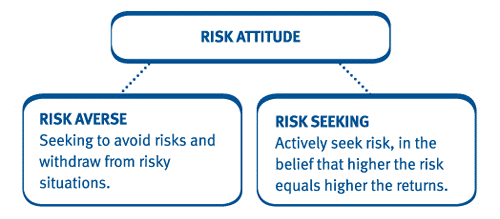
2. What are the major types of risk attitudes?
Risk Seeker – People who enjoy risk. …
Risk Averser – Risk Averse people don’t like uncertainty.
Risk Neutral – Risk Neutral people are quite calculative and they weigh all pros and cons before deciding to take risk or not.
Those are the three mainly major types of risk attitude 😊
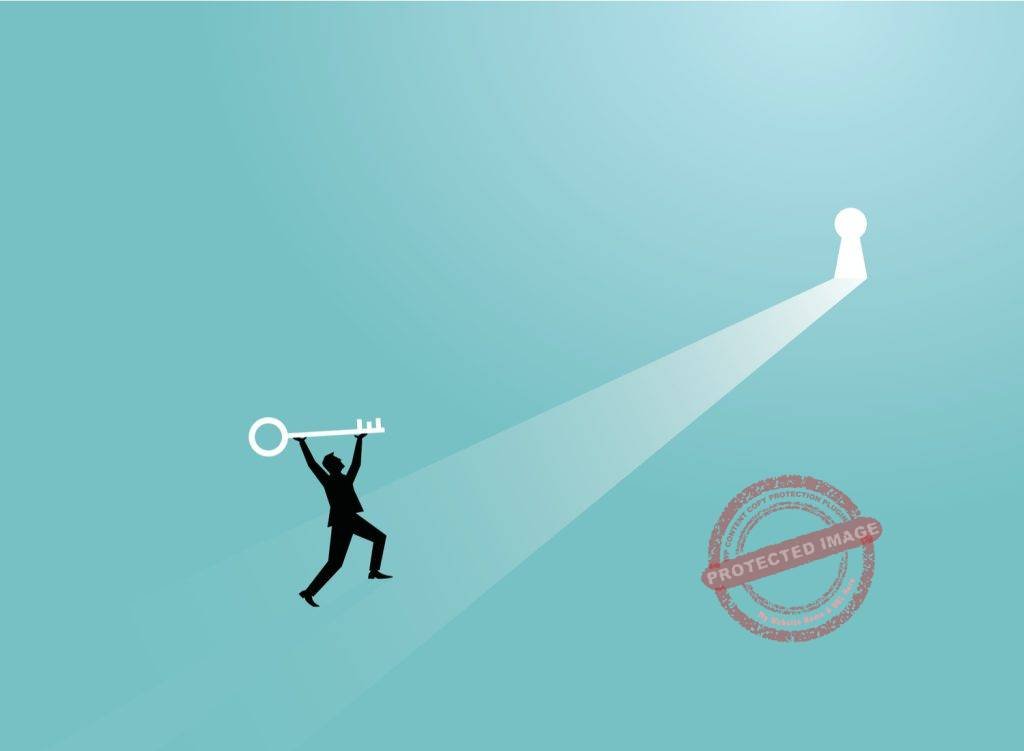
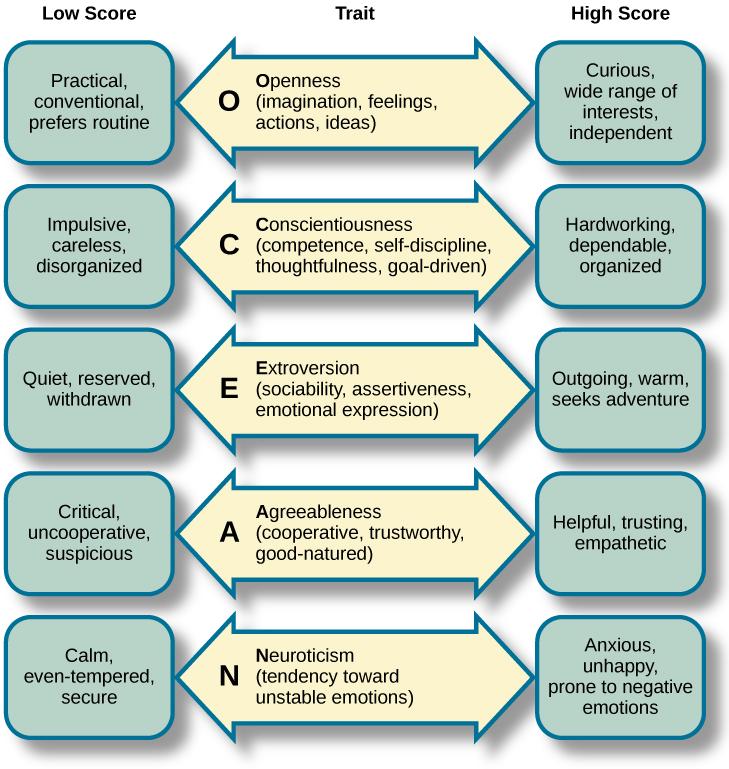
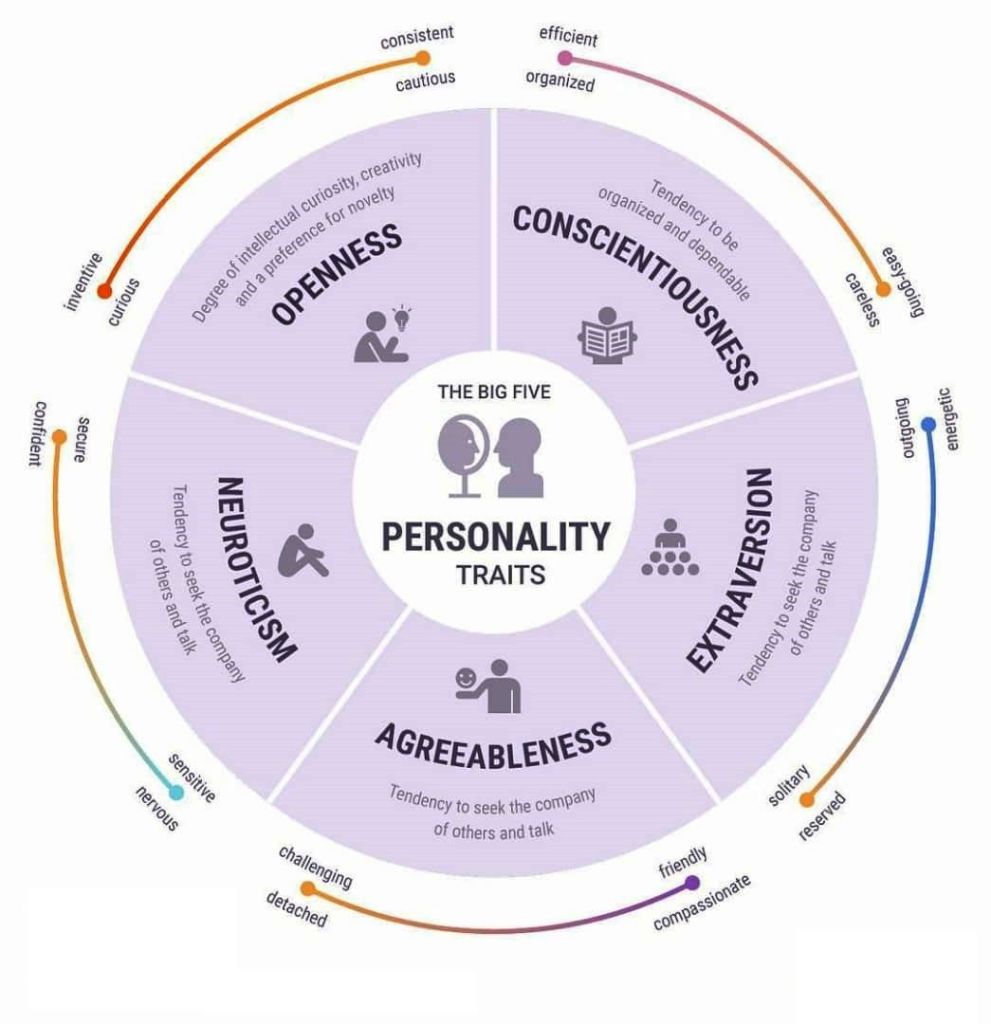
My key takeaways from this module is all about how an entrepreneur become a successful, being openness to your business to have a patient, be mindful, don’t give up easily until you achieve your dream to become a successful. In entrepreneurship you need to have a big Five traits.
THE BIG FIVE PERSONALITY TRAITS
2. Which personality trait is notable linked to firm’s performance/growth, entrepreneurial intention, entrepreneurial entry, and entrepreneurial career?
The personality traits is notable linked to firm’s performance/growth conscientiousness was the trait most closely associated with overall job performance, with agreeableness coming in second, entrepreneurial intention risk aversion medicates the relationship of neuroticism and openness with experience in entrepreneurial intention, entrepreneurial entry, and entrepreneurial so the the personality traits is important to business in order to succeed it.
THE PERFORMANCE GROWTH ENTREPRENEURIAL INTENTION ENTREPRENEURIAL ENTRY ENTREPRENEURIAL CAREER
Being an Entrepreneur or building a business in order you want to be successful those Big Five personality traits the Agreeableness, Conscientiousness, Extraversion, Openness, and Stress Tolerance is important in workplace because to assess their behaviors and demonstrate to employees how to not only maximize their strengths but also learn from their weaknesses as they drive the organization to success and continue to evaluate organizational behavior. Building your own business you must know your customers and providing what they are looking for. And the Three Narrow personality traits which is focuses on a person’s or entrepreneurs they believe in their skills, they trust themselves that they can accomplish different kinds of challenging to achieve their goals.
“Play by the rules, but be ferocious.” – Phil Knight.
” The Big Five Personality Traits “
2. Would I consider entrepreneurship as art or science?
Yes! I considered entrepreneurship as art because it’s start with vision, every entrepreneurs before they build their business they already create their plan in their mind, on how they are going to start the business, what they need to do first to succeed this business and an ability to create something innovate. That’s why I’m considering entrepreneurship as art, also because it is a process through which cultural workers seek to support their creativity and autonomy, advance their capacity for adaptability, and create artistic as well as economic and social value.
“Being good in business is the most fascinating kind of art. Making money is art and working is art and good business is the best art.” –Andy Warhol
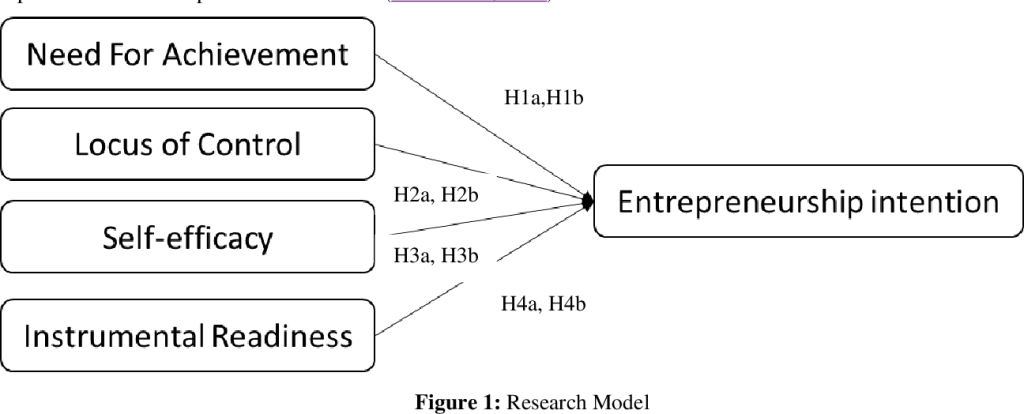
3. How does narrow personality traits such as need for achievement, internal locus of control, and self-efficacy explain better on entrepreneurial actions than the Big Five?
Those 3 narrow personality better on entrepreneurial actions than Big Five is it because internal locus of control is a people who have control to of their own decisions because they believe in their abilities, efforts, or skills rather than external forces control their chance, destiny, or the characteristics of the environment, also the need for achievement individuals have desires to accomplish noteworthy and challenging business goals and the last one is Self-efficacy a person’s “belief to perform tasks and fulfil roles, and affect expectations, goals and motivation”. The impact of narrow personality traits on entrepreneurial intention in developing countries:The impact of narrow personality traits on entrepreneurial intention in developing countries:
The study of entrepreneurship is a maze of theories as they are written in different approaches to discipline, economics, psychology, sociology, and business management.
1. CLASSICAL THEORIES OF ENTREPRENEURSHIP
The pre-classical economic though began in early antiquity and proceed through the 18th century ending before Adam Smith. It covered the period from philosophical propositions of Aristotle to the mercantilist notion of an economy.
2. NEOCLASSICAL THEORIES OF ENTREPRENEURSHIP
The neoclassical theory of entrepreneurs contradicted the classical model based on the proposition that the value of goods does not depend solely on the cost of production (supply side) but also on the demand side of a close economy. Equilibrium demand and supply determine prices as well as economic growth.
3. Austrian Market Process Theory of Entrepreneurship (AMP)
Austrian school taken as a whole uses verbal logic of a priori thinking in contrast to classical and neoclassical school which make use of data and mathematical modelsto objectively prove their point. The Austrian school rejects the universal application of any economic theory. Prices are subjective as an individual’s preference to buy or not to buy a particular good is subjective.
2. What specific economic theories change my perspective on the role of entrepreneurs in the economy?
The economic theories that change my perspective on the role of entrepreneurs in the economy is the, Austrian Market Process Theory of Entrepreneurship (AMP) because, Austrian economics argued that entrepreneurs have the ability to seek and communicate knowledge throughout a market system via price information and are responsible for innovation to take place, satisfying market needs, and changing the system-wide structure to happen.
3. How can Iperform the role of an entrepreneur in the economy?
Through Entrepreneurial activities may influence a country’s economic performance by bringing new products, methods, and production processes to the market and by boosting productivity and competition more broadly.
My key takeaways about this module is the 4 stages of evolution of economic life:
First is the: Stone Age (5 million-10,000 B.C) Also known as the Palaeolithic age, came with the appearance of Homo habilis, the precursor to modern man in Africa approximately 5 million years ago. The exchange of goods between groups was rare as no organized trading system existed.
Stone Age (5 million-10,000 B.C)
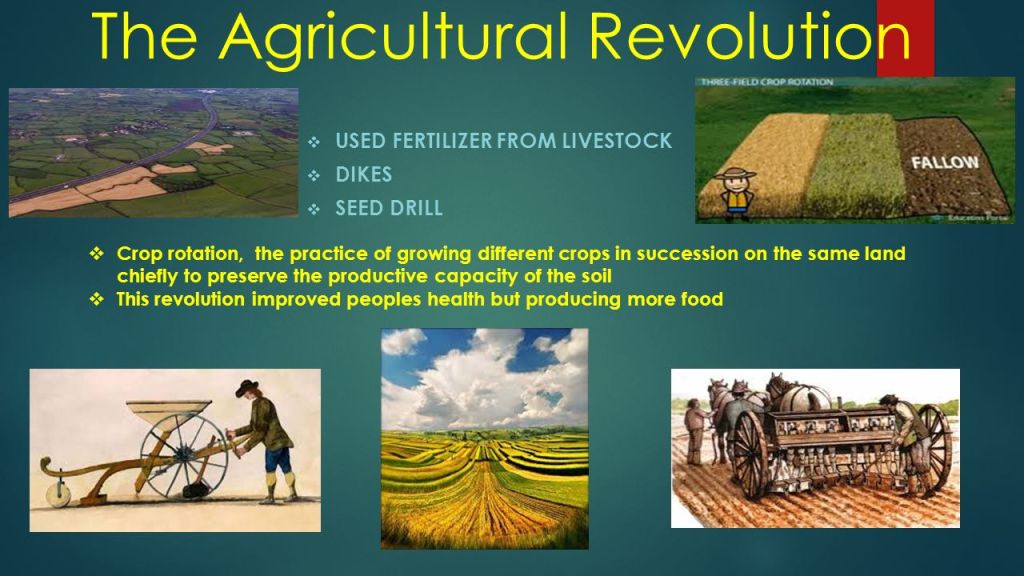
Second is: Agricultural Revolution (10,000 B.C-5,000 B.C) Millennia after millennia, humans have become extremely adept at hunting, and this has led to the extinction of big animals. This ushered in the second wave of entrepreneurial innovation –agriculture, discovering agriculture was ground breaking. People realized the natural power of the land to support many families that later became cities, even today, a large part of the world’s population still has the effects of the agricultural revolution.
Agricultural Revolution (10,000 B.C-5,000 B.C)
The third one is: Industrial Revolution (1800-1950 A.D) This age first appeared in England at the start of the nineteenth century. In 1733, John Kay invented the “flying shuttle,” a new mechanized method of weaving cloth (Hills, 1998). This is not because of the lack of technology but the lack of equitable property rights, social order, and administrative organization which could allow for technology to be productively applied (Olson, 1996).
Industrial Revolution (1800-1950 A.D)
And the last one is: Information Age (1950-to the Future) The very recent historic leap of entrepreneurship came with the rapid shift from the Industrial Revolution to information technology in the 20th century (Zimmerman, 2017; Manuel, 1996). The production of goods was through bits or bytes that are easy to produce and readily accessible through the computer across the country and globally. Through ICT product design, subsequent manufacturing processes can be effectively and efficiently made compared to the labor-based and expensive traditional product design and processing.
Information Age (1950-to the Future)
2. How did technology change me?
Technology change me of who I am today! Technology evolved in every revolution but the modern technology has paved the way for multi-functional devices like the smartwatch and the smartphone. Computers are increasingly faster, more portable, and higher-powered than ever before. With all of these revolutions, technology has also made our lives easier, faster, better, and more fun. The modern technology taught me on and allow me to communicate instantly with the other people, but technology never change my behavior when it comes to respecting others.
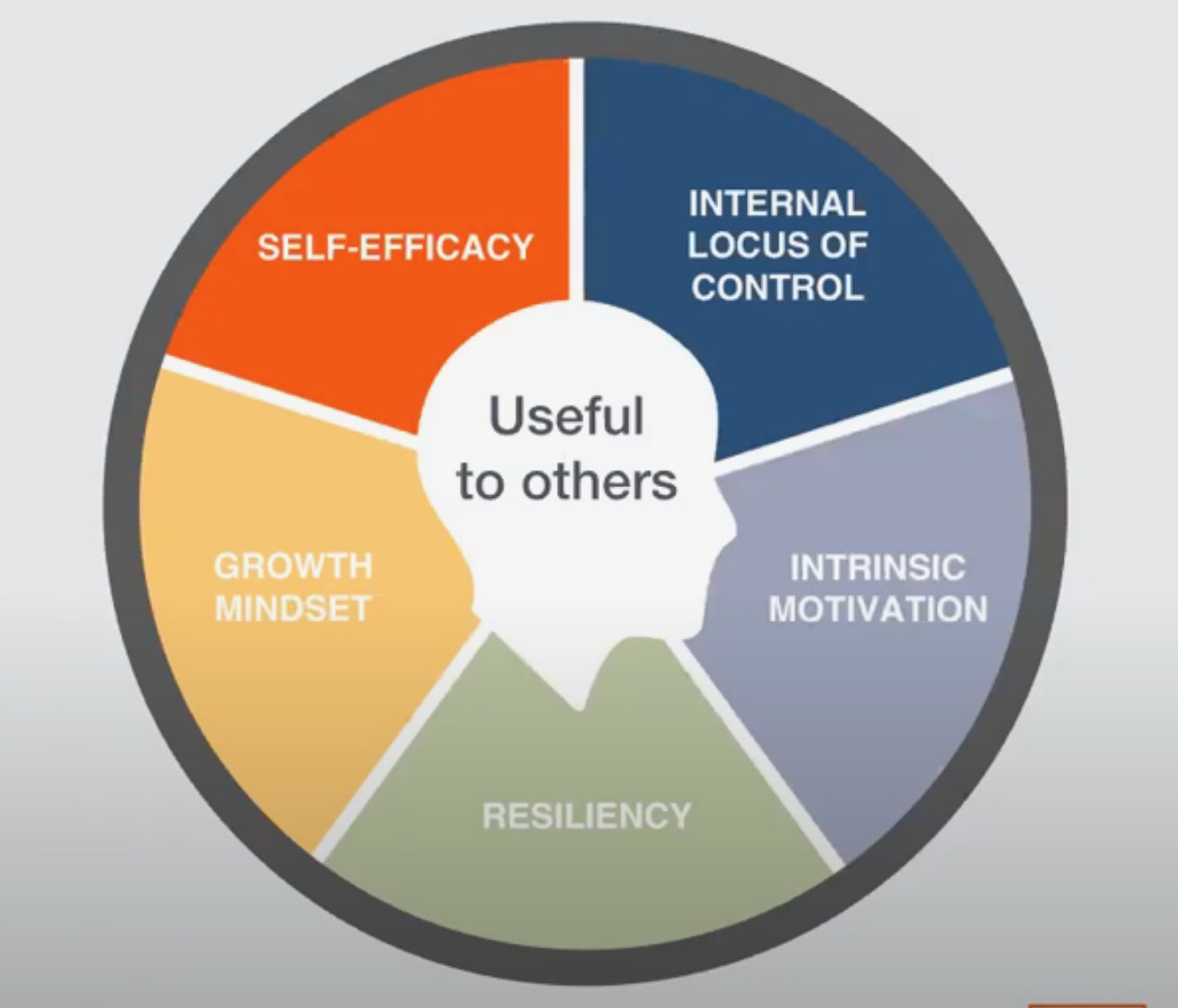
An entrepreneurial mindset a pattern of thinking or behavior of one or more individual or groups of individuals (Argyris, 2004). An entrepreneurial mindset is a set of skills that enable people to identify and make the most of opportunities, overcome and learn from setbacks, and succeed in a variety of settings. And those who had an entrepreneurial mindset believes on what the ability they had in order to succeed and their own outcomes.
“All our dreams can come true, if we have the courage to pursue them.”
-Walt Disney
AN ENTREPRENEURIAL MINDSET
How do I react to failures, obstacles, challenges, criticism and effort?
They foster a belief that obstacles are a normal part of life and that one can manage them and come through them, often being better for having had the experience. Hard times stimulate growth in a way that good times don’t. Facing challenges and navigating one’s way through them builds resilience capacity. Everyone’s suffered different kinds of failures, obstacles, challenges, criticism and effort but it strengthening us to be more strong to faced all of that.
“Success is not final, failure is not fatal: it is the courage to continue that counts. “
-Winston Churchill
What strategies can I recommend to promote growth mindset in the classroom and/or workplace?
Value on how to deals challenges,
Life is full of its ups and downs. One day, you may feel like you have it all figured out. Then, in a moment’s notice, you’ve been thrown a curve ball. You’re not alone in these feelings. Everyone has to face their own set of challenges. Learning how to overcome challenges will help you stay centered and remain calm under pressure.




















 Cherry Mae's Blog